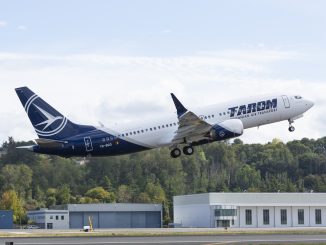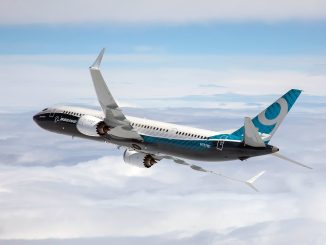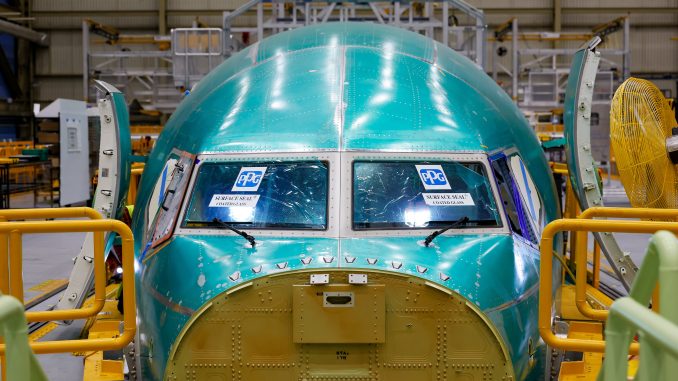
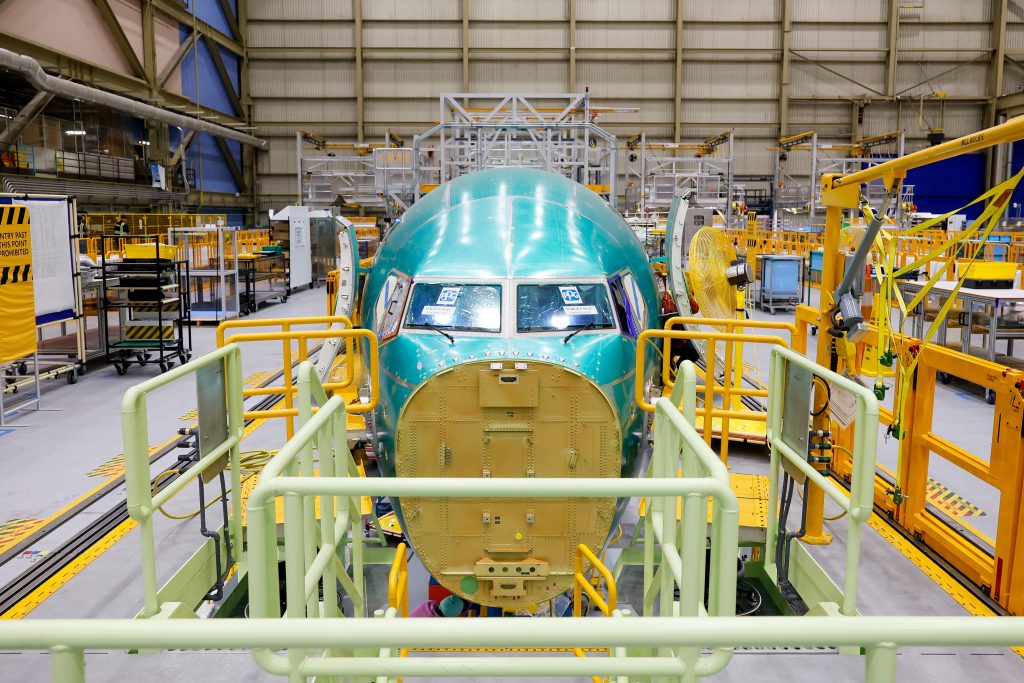
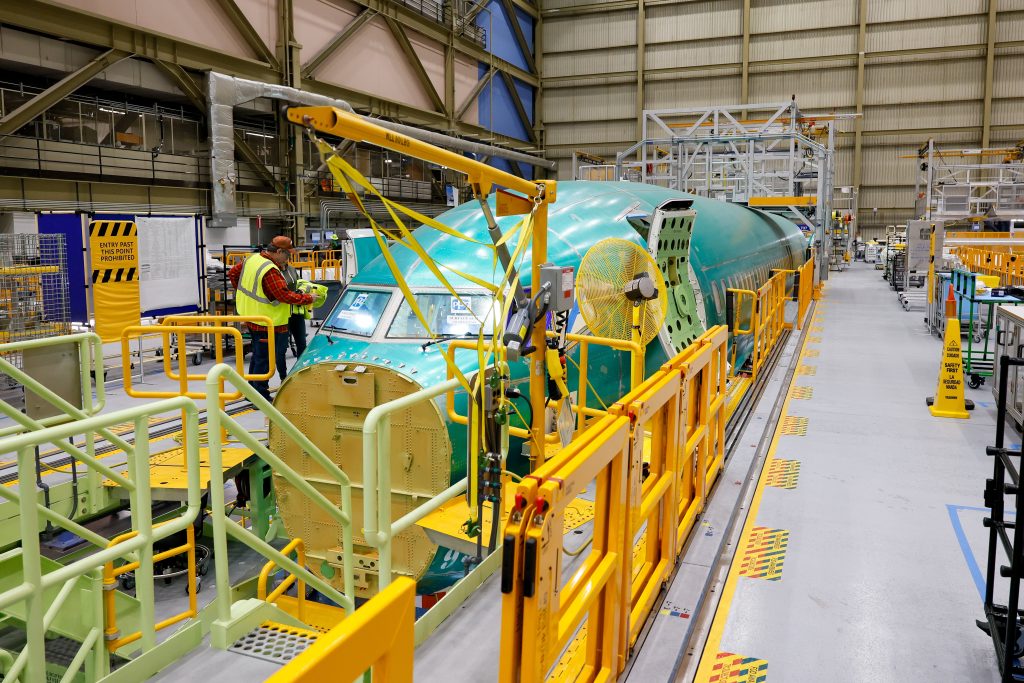
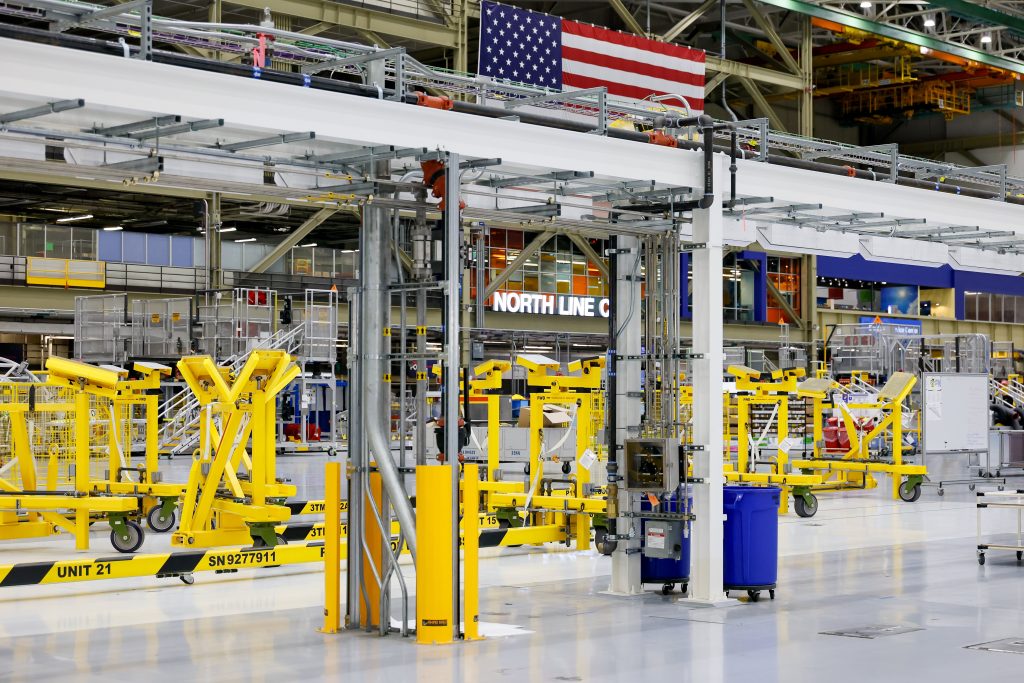
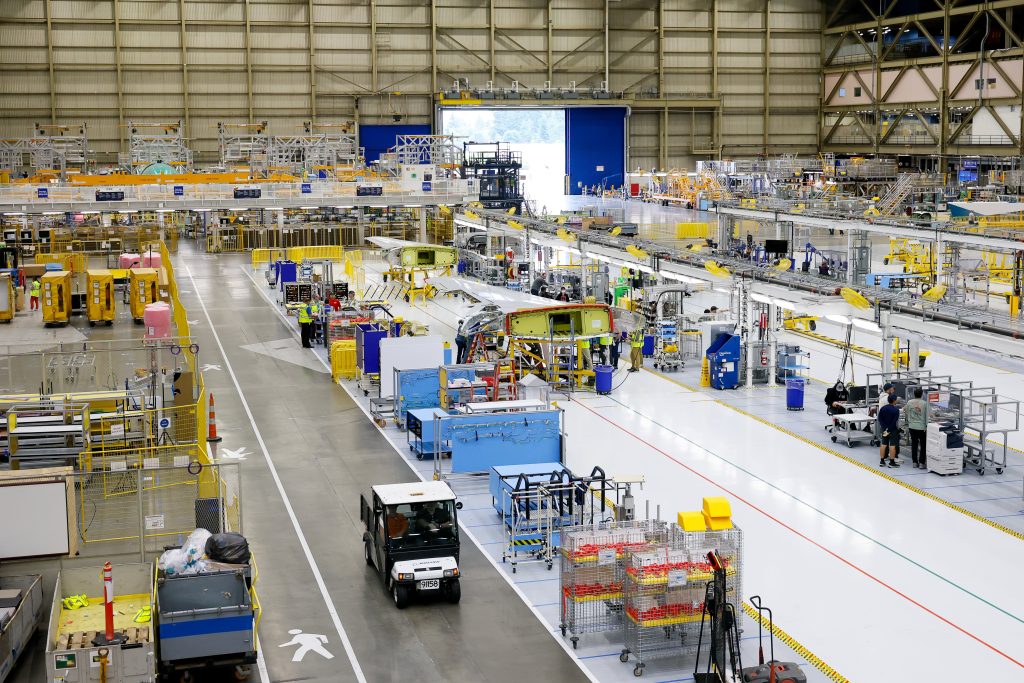
Boeing has begun assembling 737 MAX aircraft at its new North Line in Everett, Washington, opening a fourth assembly line for the narrowbody programme.
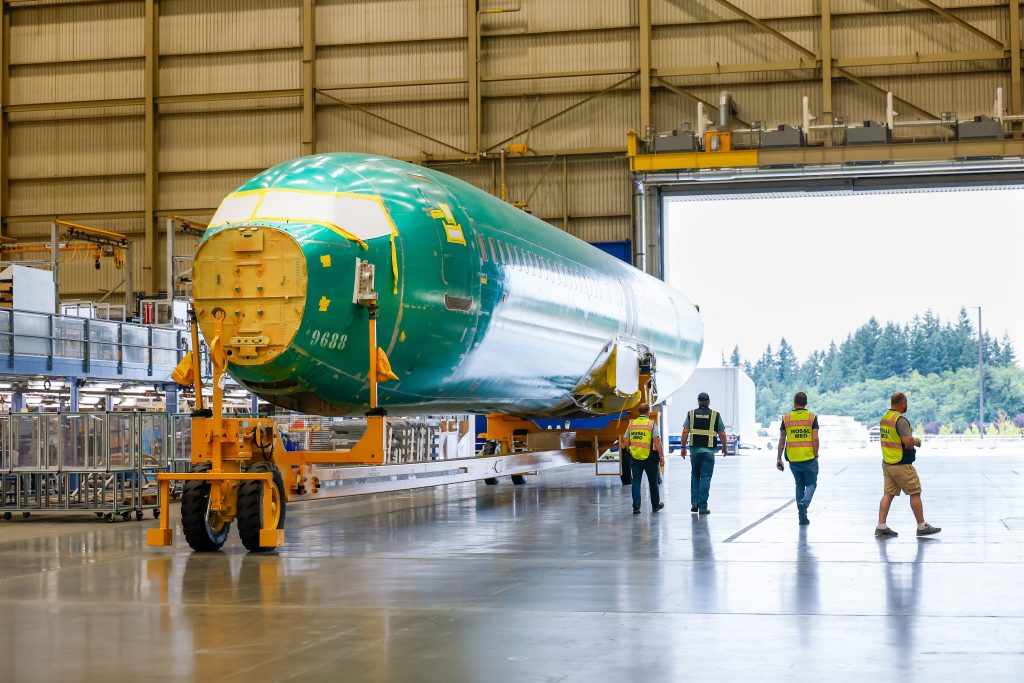
Intended to boost capacity and predictability, the facility marks the first time in more than 50 years that 737 final assembly has taken place outside the programme’s long-standing home at Renton.
A historic space
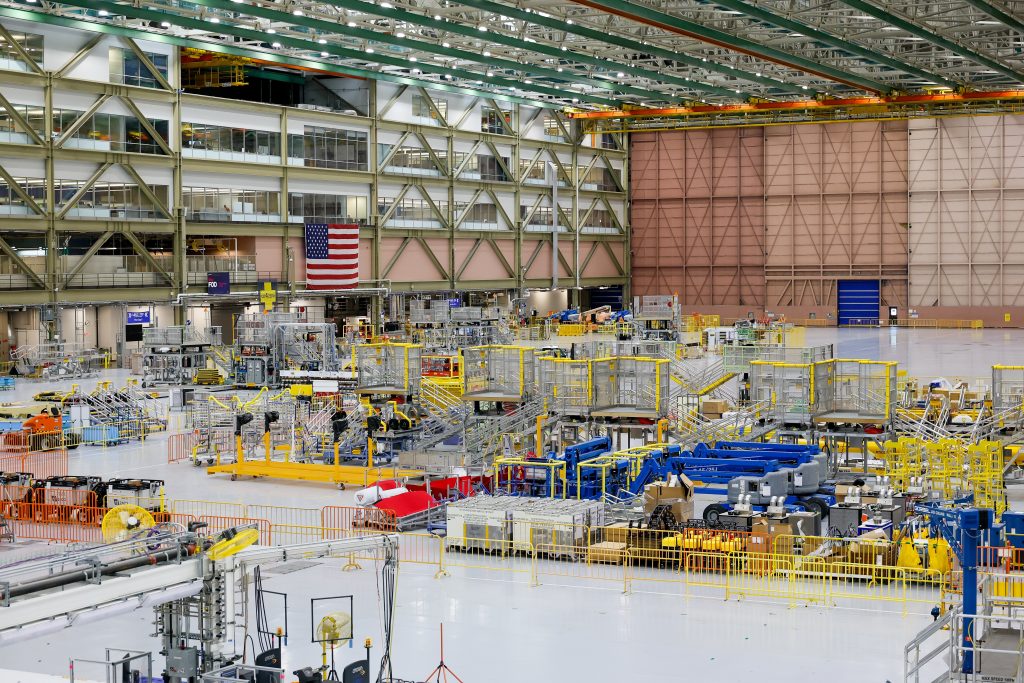
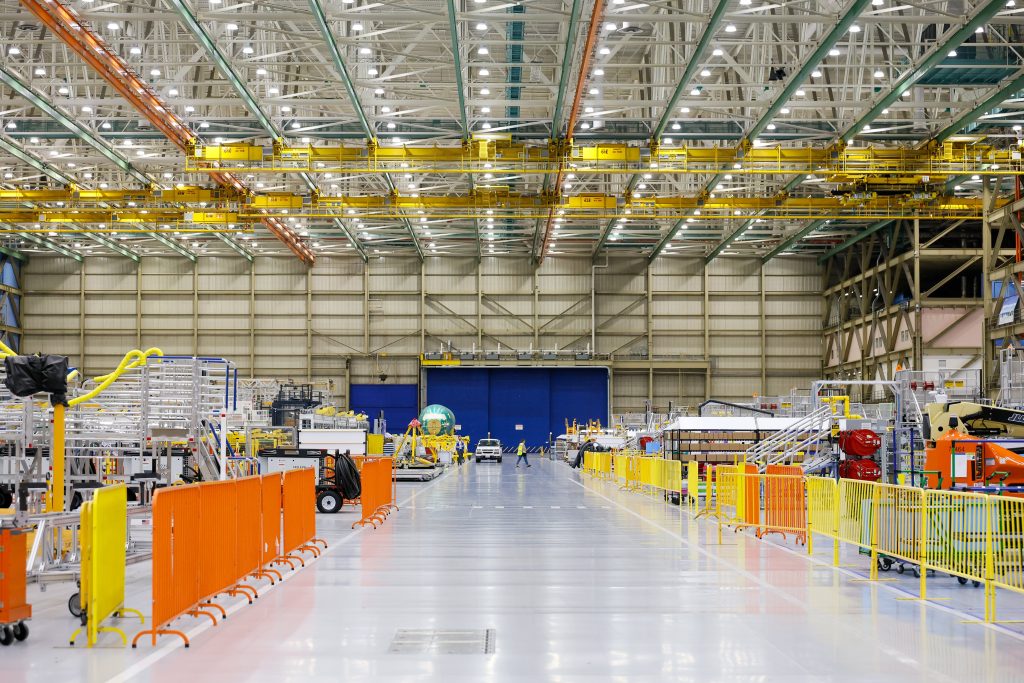
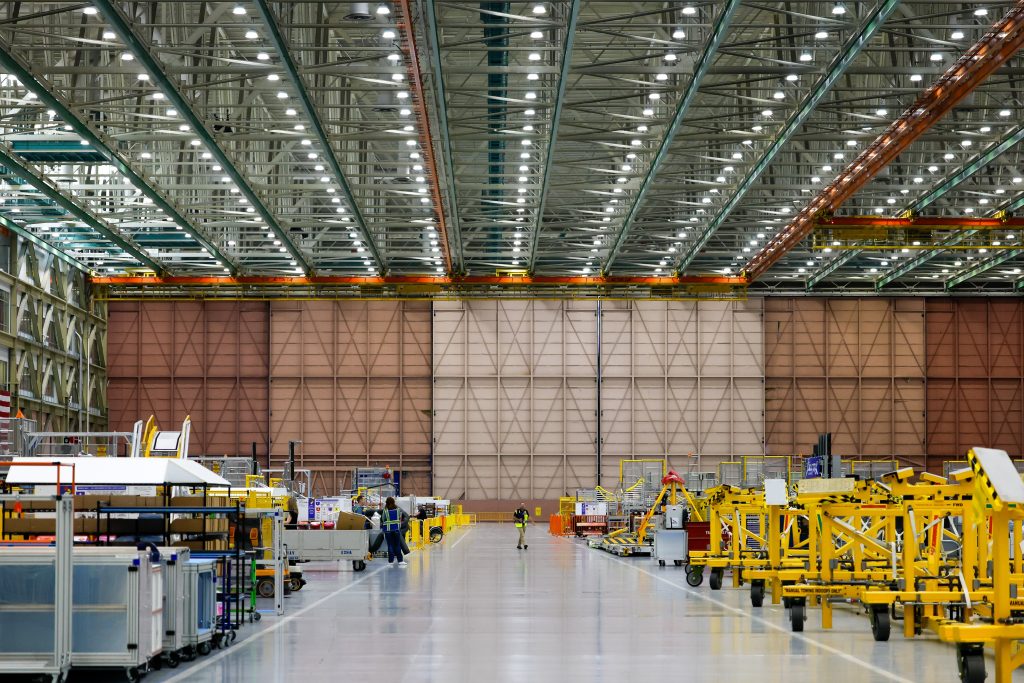
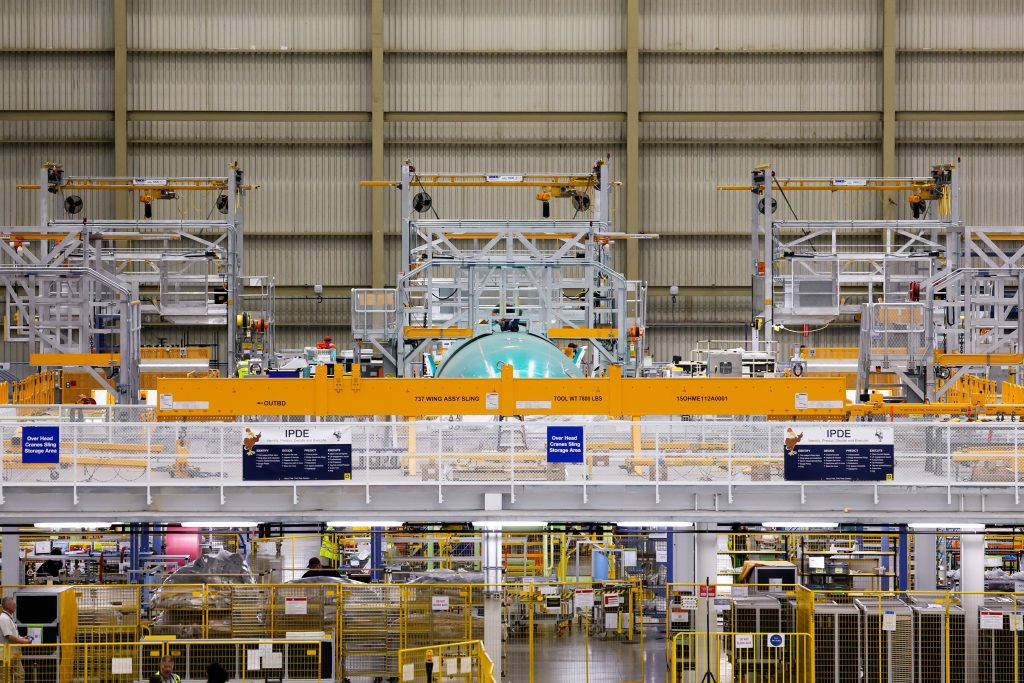
The line takes up space previously occupied by the 787 and due to its sprawling scale – roughly 20% more floor space than Renton – it can better accommodate production of the largest MAX 10 variant.
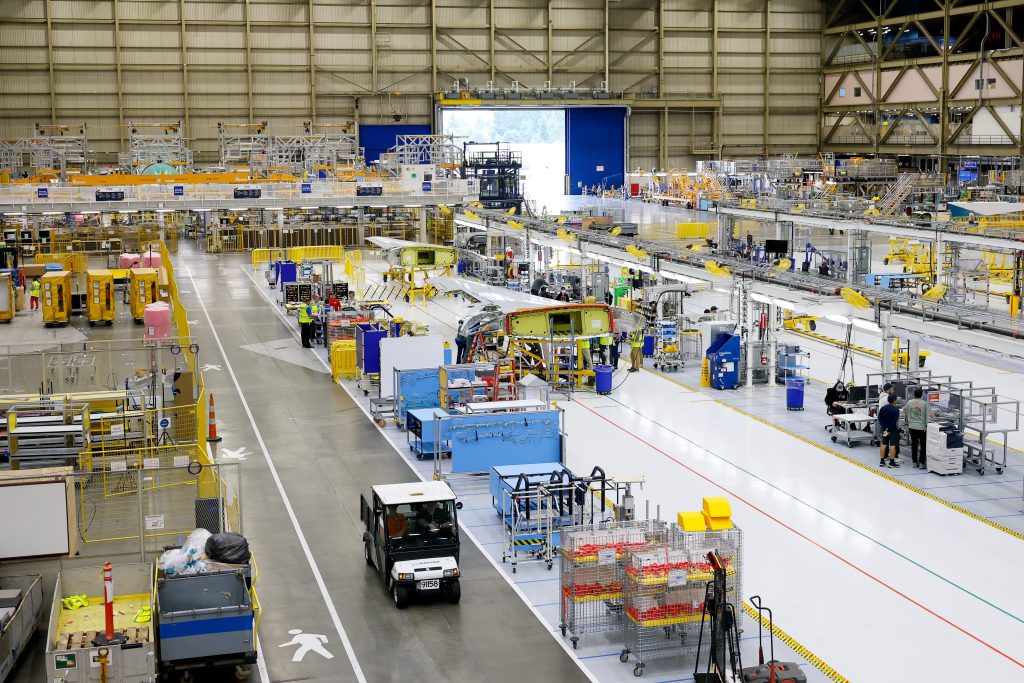
Although the facility will not immediately increase Boeing’s overall output, it is intended to support production beyond 47 aircraft per month once its initial regulatory and conformity work is complete.
Fit for a family
Speaking during a media tour on July 8, Jennifer Boland-Masterson, senior director of manufacturing for North Line, said: “We are going to have the capability to do 737-8s, 737-9s, and 737-10s. The one difference that we have here on the North Line versus Renton, is this line can have all 737-10s in every single flow day, where in Renton, because of the size, it’s a 737-10 and then a 737-8 has to follow it. Here we can go nose to tail 737-10s all the way through.”
The first aircraft to progress through the facility is a 737-10 due for Canadian carrier WestJet, with a second -10 to follow. A pair of -8s will come behind that.
The MAX 7 – the smallest variant of the 737 MAX family – will not be produced at the Everett facility. Boland-Masterson said: “We do not have the tooling to do 737-7s here, that doesn’t [mean] that it can’t happen, but right now that is not the plan.”
Personnel
Around 1,000 employees are supporting the operation during its initial phase, split approximately evenly between experienced personnel transferred from Renton and newly recruited workers.
New employees have completed foundational and structured on-the-job training at Renton before moving to Everett.
For the first ten aircraft, the new North Line will operate under what Boeing calls low rate initial production, or LRIP. This provides additional time at each station compared to the standard production flow, allowing everyone involved to become familiar with the new site.
The Federal Aviation Administration is also present at the North Line: “Working with the FAA, we have some things that they are auditing to ensure that we are building to our engineering drawings and following our quality management system,” said Boland-Masterson. “During that LRIP, there’s a lot of activity going on, so we’re not adding additional schedule pressure, so it gives us the time to do all the right things that we need to do.”
Renton’s role
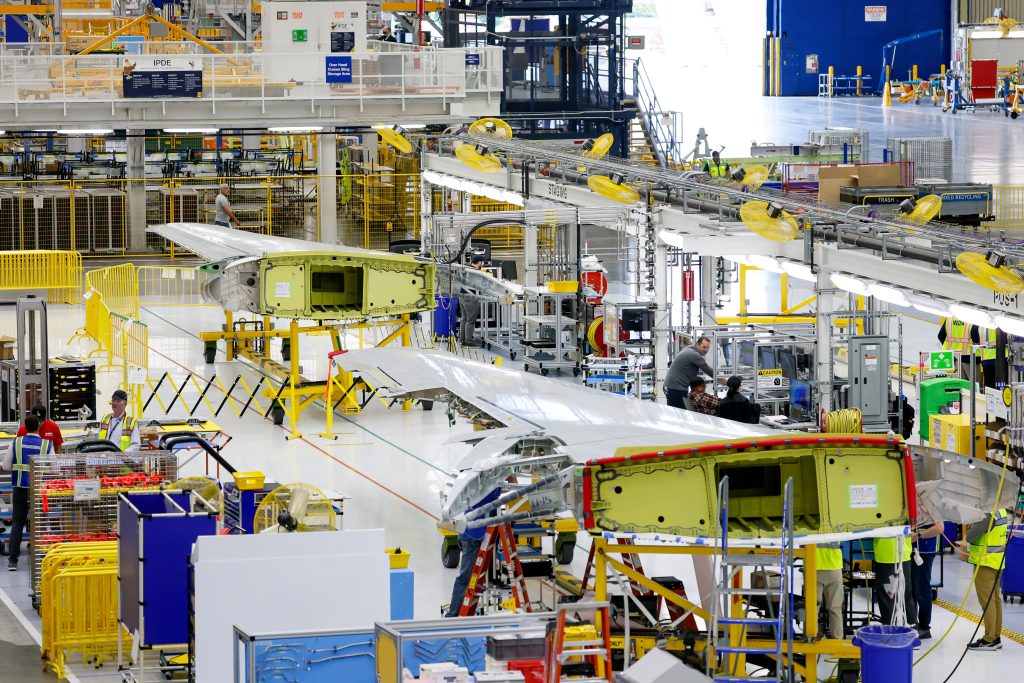
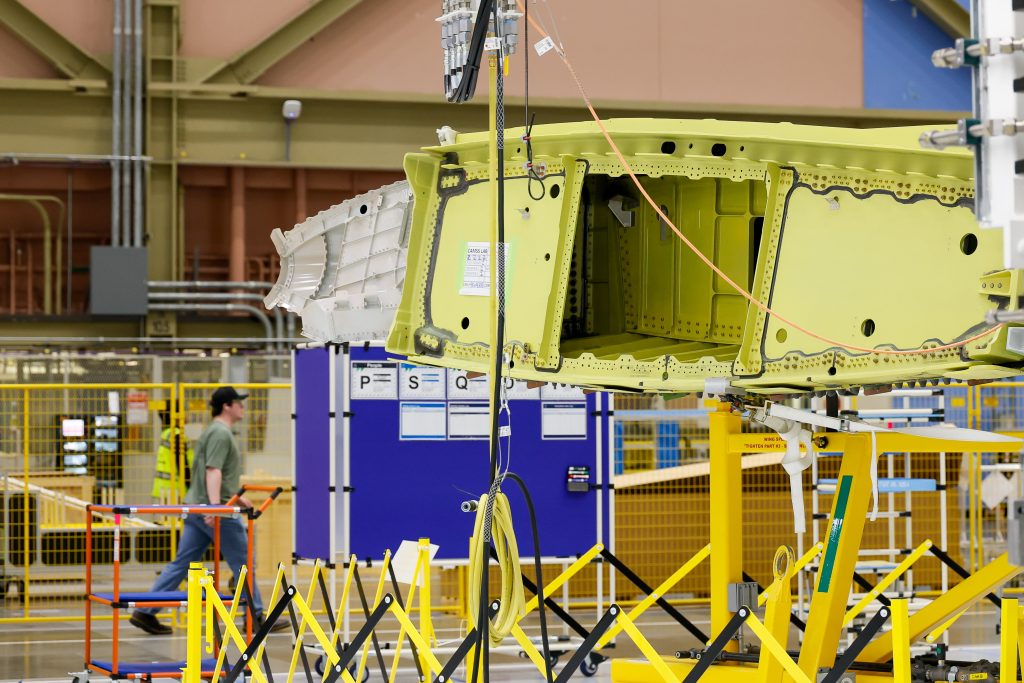
Renton will remain involved in 737 production at Everett. Wing boxes will be assembled, sealed, tested and painted at Renton before being transported to Everett on specially designed trailers.
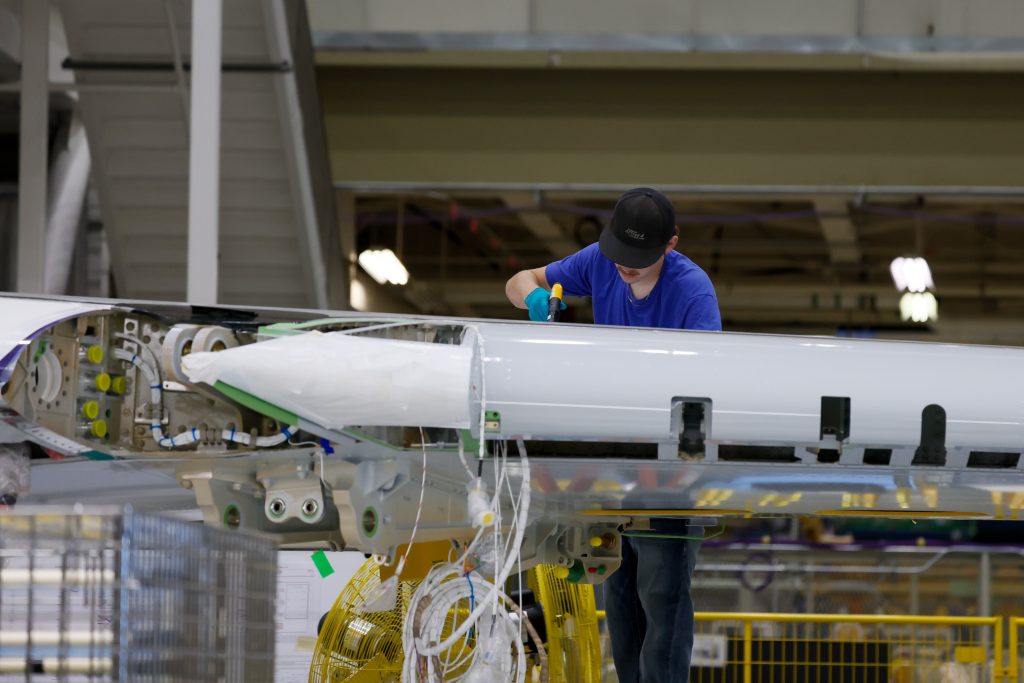
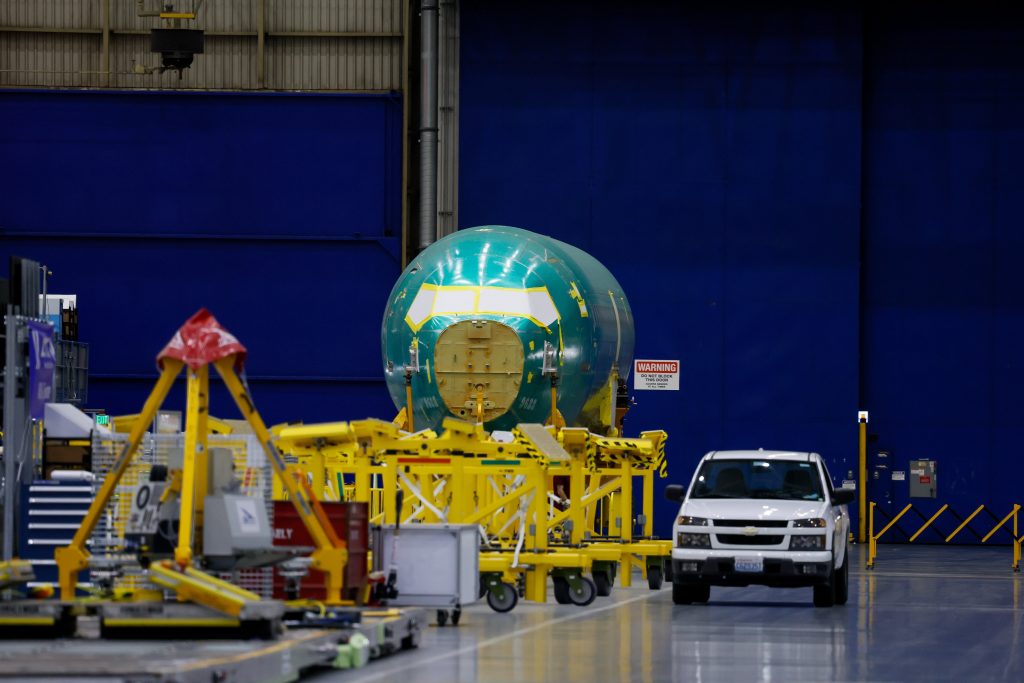
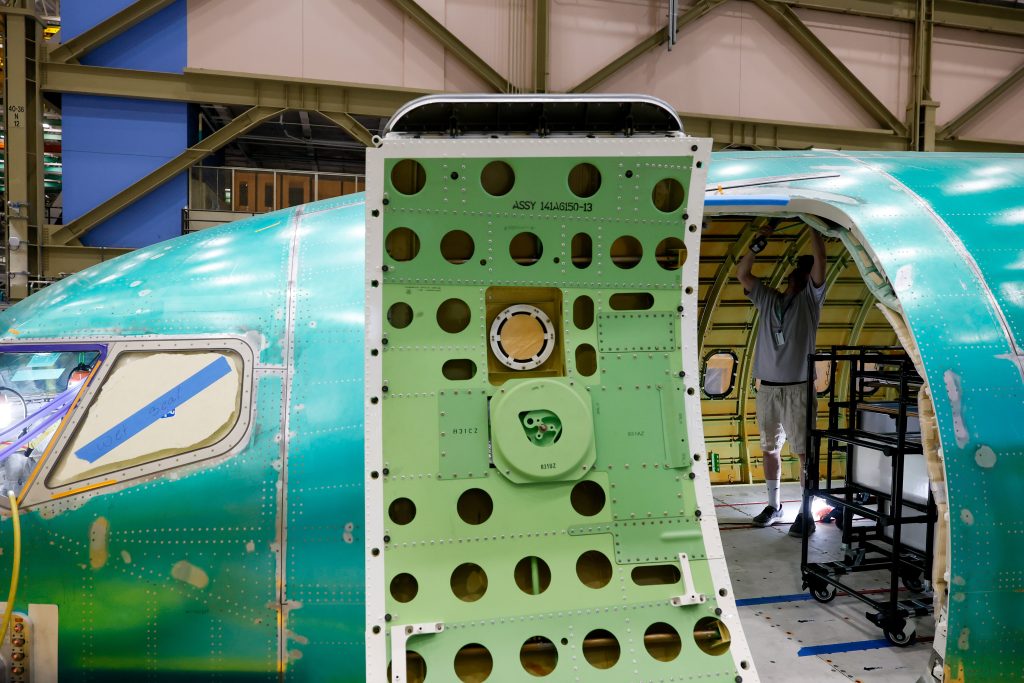
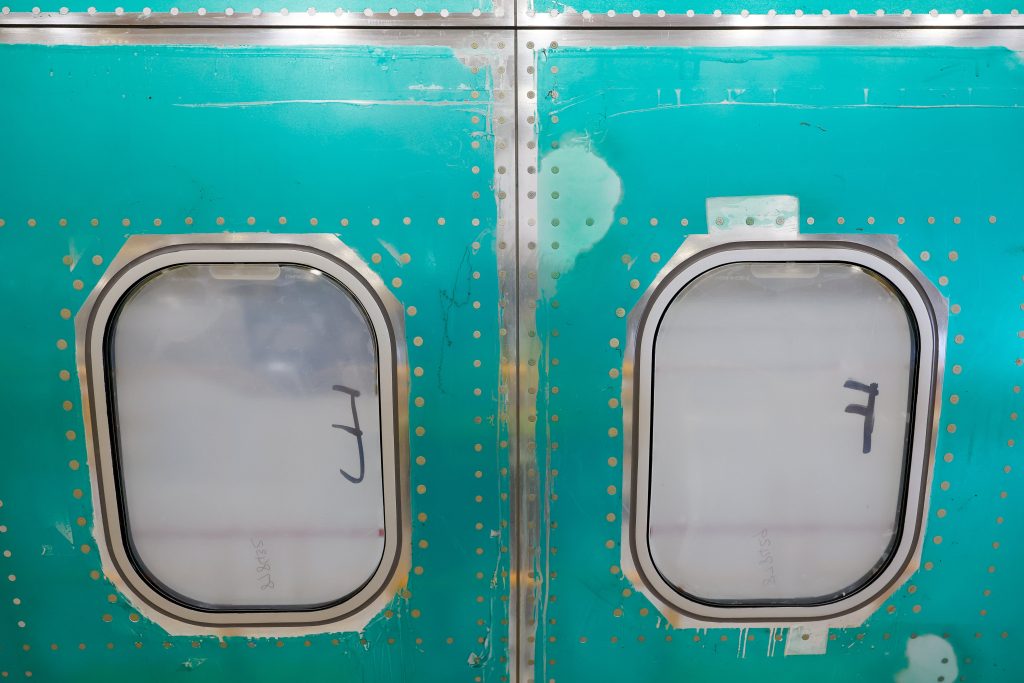
Wiring, plumbing, flaps and other systems will then be installed at Everett before the wings are joined to fuselages arriving by rail from Wichita.
Completed aircraft will then be handed to the Everett Delivery Center for pre-flight work and delivery preparation including painting. The jets will then be delivered to the customer.
Regulatory work
Before customer deliveries can begin on aircraft produced on the North Line, Boeing must complete regulatory and conformity work required to add the new facility to its existing FAA Production Certificate No. 700, commonly referred to as PC 700.
Boeing needs to convince the regulator that aircraft produced at Everett are identical to those produced in Renton.
Boland-Masterson said Boeing has been working with the FAA “for a couple of years now” on the North Line facility.
The North Line is the biggest change to 737 production since the 1970s and represents a major development in Boeing’s efforts to increase production output without pushing its Renton plant to the limits.