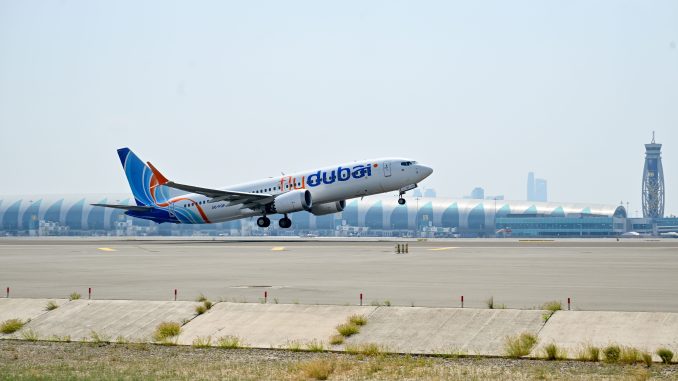
Dubai International Airport is forecasting a stronger second half of 2026 after regional conflict and airspace restrictions contributed to a sharp fall in passenger traffic during the first six months of the year.
As the world’s busiest international airport, the facility handled 31.5 million passengers in H1. This was down 31.3% from 46 million during the same period in 2025. Q2 traffic fell 42% year-on-year to 13 million passengers, as the conflict involving Iran prompted widespread cancellations, airspace closures and reduced airline capacity across the Middle East.
Aircraft movements dropped 32.1% to 150,600, including 62,500 during Q2, while cargo throughput fell 28.7% to 751,340 tonnes. Despite the reductions, Dubai International retained an extensive network, with almost 50 international airlines serving 217 destinations across 99 countries by the end of June.
Encouraging recovery signs
There were encouraging signs of recovery during the second quarter, with monthly passenger volumes increasing from 3.5 million in April to 4.5 million in May and five million in June as airlines gradually restored services. Dubai Airports CEO Paul Griffiths said that as capacity returns, “demand is responding immediately”, particularly important given the airport’s reliance on international transfer passengers. In a statement, the airport operator also noted that load factors were growing towards 2025 levels as international connections returned.
Despite the difficult operating environment, investment continued, including expanded self-service and biometric processing, improved passenger flows, and a new consolidated remote departures experience. The operator is also introducing targeted capacity enhancements as it prepares for the anticipated recovery in traffic.
Dubai International is now expected to handle around 70 million passengers during 2026. This figure is lower than its previous ambition of 100 million. However, Griffiths believes the airport could reach that number early next year as recovery accelerates, with airlines rebuilding frequencies, travel advisories easing, and the start of the winter schedule.